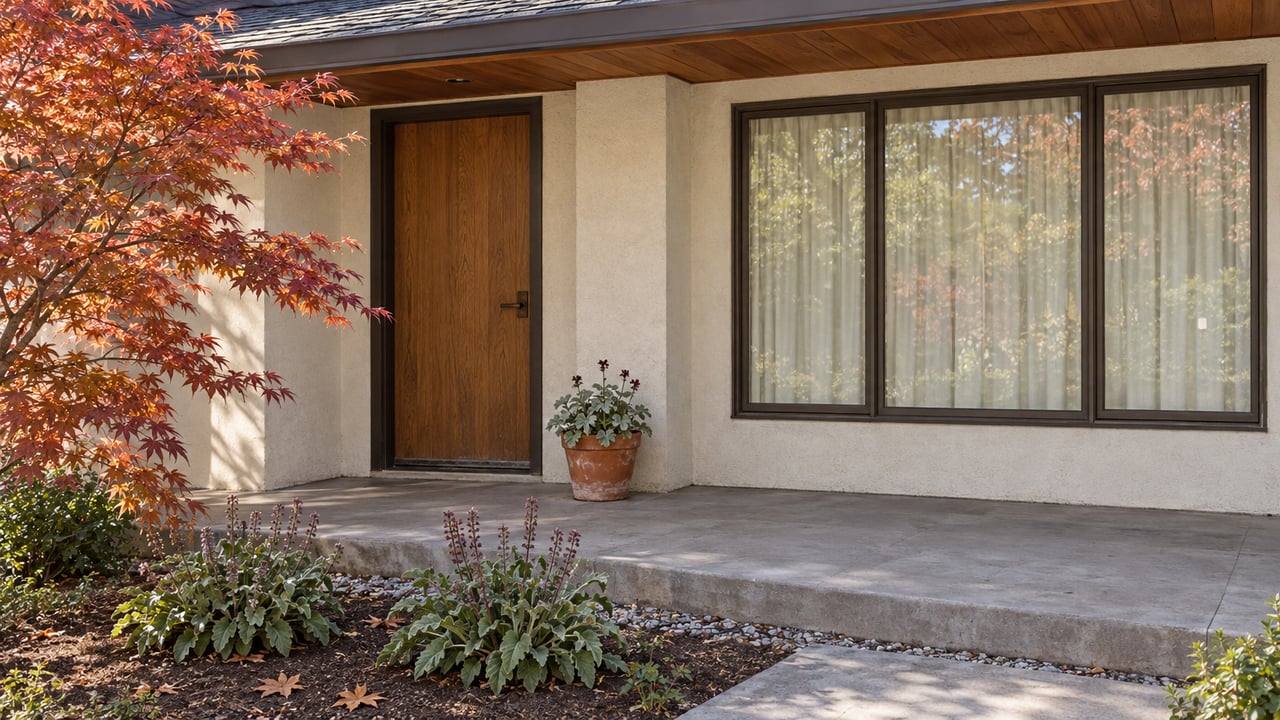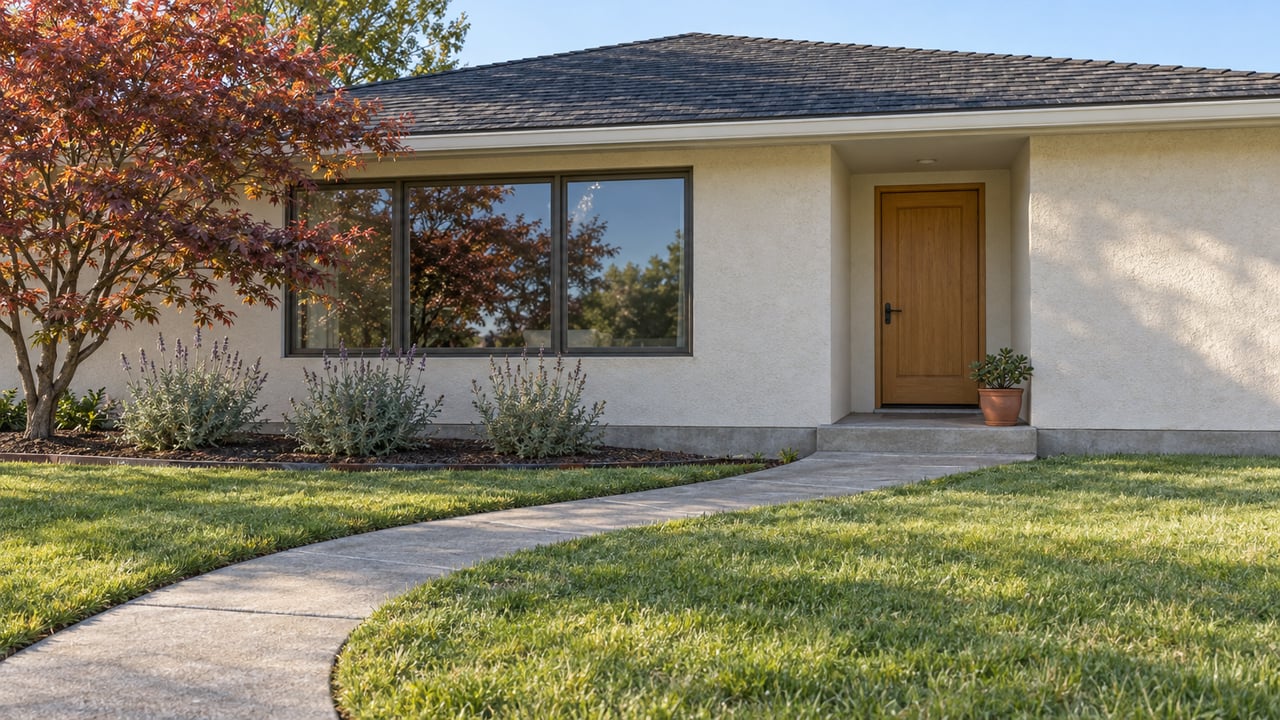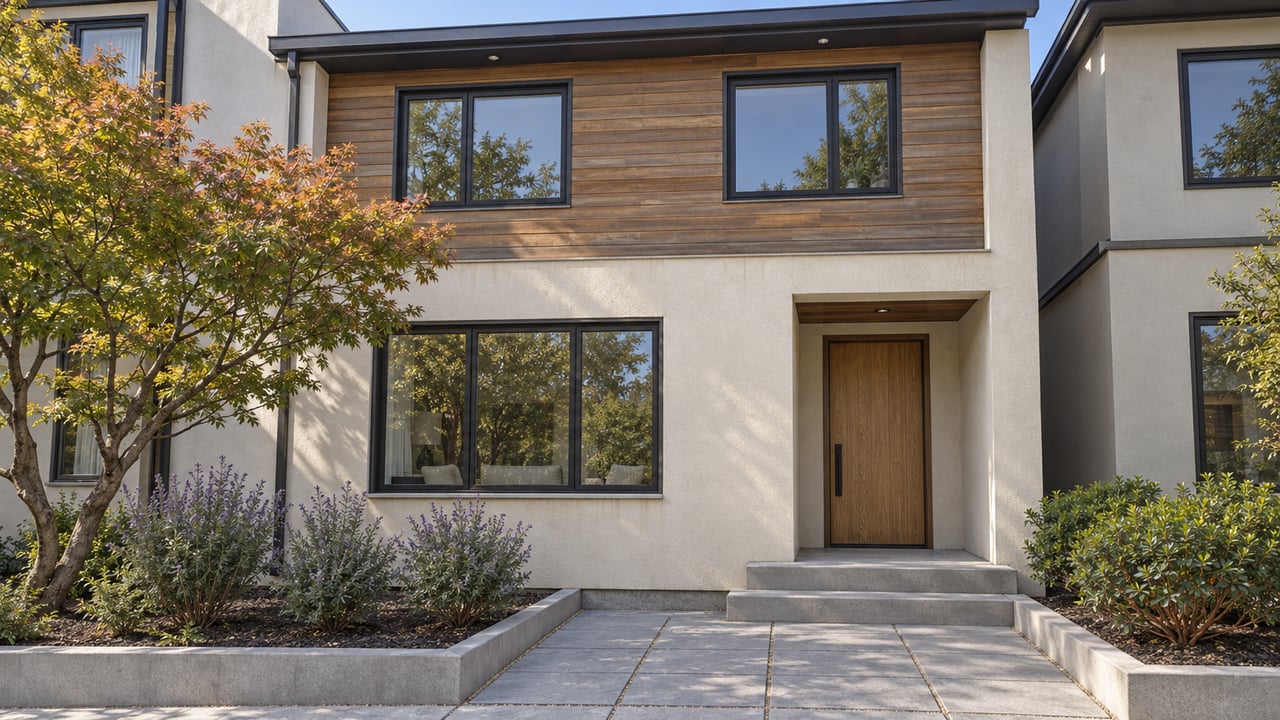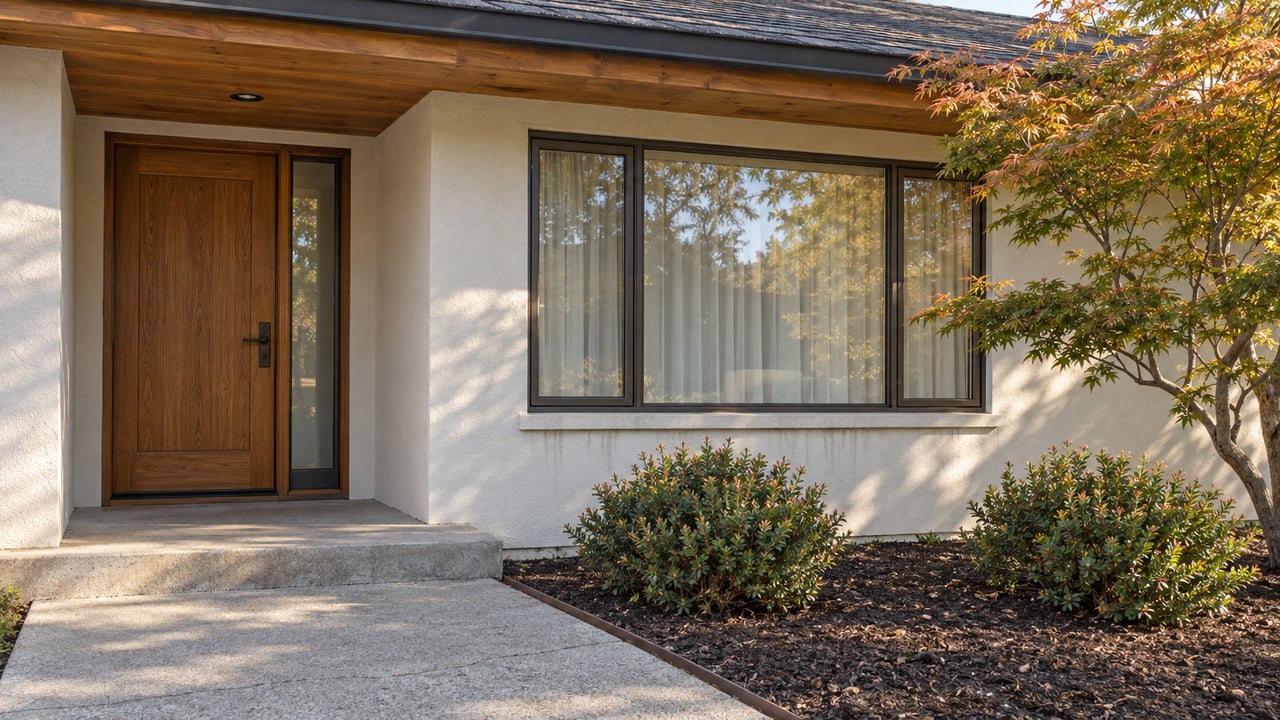
What actually stops a seven-story apartment building from landing on a single-family block in Willow Glen? Until December 3, 2025, the answer was zoning. On that date, San Jose's Planning Director signed off on a 126-unit, seven-story building at 940 Willow Street, a corner lot that had been zoned for nothing close to that scale. The project was approved under a state housing law called builder's remedy, which had already taken the normal veto off the table.
The project sits at the southeast corner of Willow Street and Kotenberg Avenue, on roughly an acre currently occupied by a liquor store. San Francisco-based Redco Development has been pursuing it since 2023, and the opposition has been loud and organized the whole way. Almost 200 people called into a June 2024 community meeting to raise objections. Residents worried about traffic at an intersection they said was already busy, about strain on sewer lines built for a different era of density, and about a building that critics said was simply out of scale for a neighborhood defined by single-family homes. None of that stopped the approval, and in March 2026 the San Jose Planning Commission denied a neighbor's appeal and let the permit stand.
The Mechanism That Overrode the Zoning Map
Builder's remedy exists because California requires every city to maintain a legally compliant housing element, a state-reviewed plan showing how the city will accommodate its assigned share of future housing need. When a city's housing element falls out of compliance, state law suspends much of its normal discretion to deny projects on zoning grounds, as long as the developer includes a required share of affordable units. San Jose's housing element lapsed, and that lapse is the reason Redco could file at 940 Willow despite the site's existing zoning.
The approval was reinforced by two more layers. Redco requested a state density bonus on top of the builder's remedy filing, which narrowed the legal grounds San Jose had left to say no. The project was also processed under Assembly Bill 130's CEQA provisions, which treat qualifying housing projects as exempt from additional environmental review, removing another point where a city or a neighbor group might normally slow things down. The site itself is near Lincoln Avenue's retail and restaurants, providing context for its location.
In exchange for bypassing local zoning, Redco is required to set aside roughly 30 percent of the building's units for lower-income households, split evenly between very-low-income and moderate-income designations. That trade, density and height in exchange for below-market units, is the actual mechanism behind every builder's remedy project, not a city choosing to abandon its own character.
It Wasn't a One-Time Event
The 940 Willow project may seem like an isolated dispute over one corner lot, but it isn't the first time this has happened in the neighborhood. In 2023, San Jose approved a separate project on a 2.2-acre site at 1050 St. Elizabeth Drive, demolishing a roughly 30,000-square-foot former senior assisted living facility to make room for more than 200 apartment units. That project was projected to finish construction in 2026, though its current status is unclear.
| Project | Site | Scale | Timeline |
|---|---|---|---|
| 940 Willow St. | Corner of Willow St. and Kotenberg Ave., replacing a liquor store | 126 units, 7 stories | Approved Dec 3, 2025; appeal denied Mar 11, 2026; resident lawsuit filed Apr 17, 2026 |
| 1050 St. Elizabeth Dr. | Former senior living site, 2.2 acres | 200+ units | Approved 2023; completion targeted for 2026, status unclear |
Two large, multi-story projects clearing San Jose's zoning process within a few years of each other, on sites that don't match their surrounding blocks, is a pattern. A single project can be an exception. Two is a sign that the mechanism behind them is repeatable wherever the same conditions line up: a city out of housing element compliance, a developer willing to include affordable units, and a parcel large enough to make the math work.
The Legal Challenge Continues
The 940 Willow approval survived the planning commission appeal, but it's now facing a legal challenge instead. On April 17, 2026, a neighbor filed a lawsuit in Santa Clara County Superior Court arguing that the city's finding on sewer capacity was flawed. The suit doesn't attack the height or the use of the property. It attacks a specific technical certification, the one that let the project skip additional environmental review under the city's finding that existing sewer infrastructure could handle 126 new units.
Maren Sederquist, board president of the Willow Glen Neighborhood Association, has been vocal about the same concern since the project's earliest hearings. She told local reporters that questions about whether the existing sewer infrastructure can handle a project of this scale have existed from the beginning, and that the city should have evaluated those impacts more thoroughly before signing off. The lawsuit highlights how, after a builder's remedy project is approved, legal challenges may focus on specific infrastructure findings rather than appeals over character or scale.
Recent Sale-Price Figures for Willow Glen
Willow Glen carries one of the higher per-square-foot premiums in San Jose, with tree-lined streets, single-family scale and a walkable Lincoln Avenue retail strip. The trackers offer different snapshots of recent sale prices. As of March 2026, Willow Glen's median sale price was recorded at $1.9 million, down 6.1 percent from the year before, with homes selling in an average of 10 days. A separate tracker put the same neighborhood's median closer to $1.825 million around the same window, essentially flat year over year. By April 2026, another source showed a median of $1,864,975 against an average sale price of $2,033,965.
The first two trackers differ on price direction and magnitude; the April figures compare a median with an average sale price. These different market snapshots do not establish what can be built on a particular parcel. The 940 Willow project illustrates why buyers may want to review zoning and other applicable requirements for a specific property.
What to Check Before You Assume a Block Is Protected
A buyer or an agent evaluating a specific Willow Glen property today has three things worth confirming rather than assuming:
- Whether San Jose's housing element is currently found in compliance by the state, since that status is what determines whether a new builder's remedy filing could even be accepted on a given parcel.
- Whether the property sits on or near a commercial corridor like Willow Street, Bird Avenue, or Lincoln Avenue, since those are the corridors developers have already targeted, citing proximity to existing retail as the reason larger buildings make sense there.
- Whether the block's sewer infrastructure has come up in any recent city findings, since that's the specific technical ground the current lawsuit is contesting rather than the building's height or use.
None of this means Willow Glen is about to fill up with mid-rise towers. It means the zoning map alone isn't the full picture anymore, and treating it as a permanent guarantee is no longer accurate.
FAQ
Does builder's remedy apply everywhere in Willow Glen? It applies wherever the city's housing element is out of compliance and a developer files a qualifying application that includes the required affordable housing share during that window. It isn't a parcel-specific designation the way a zoning variance would be, and it can reactivate if compliance lapses again in the future.
Can neighbors still stop a project once it's approved this way? The main option left is a legal challenge rather than a zoning appeal. That's exactly what the April 2026 lawsuit against 940 Willow is doing, targeting the city's sewer capacity finding rather than the project's height or density.
Does the affordable housing requirement offset the added density? Redco's project reserves about 30 percent of its 126 units for lower-income households, split between very-low-income and moderate-income designations. That set-aside is the specific trade state law requires in exchange for bypassing a city's normal zoning discretion.
If you're comparing Willow Glen against other South Bay neighborhoods and want to understand what a specific address's zoning actually guarantees before you write an offer, Christopher Renois can walk through what to check on that particular parcel and corridor.
This article is general information, not legal, tax or financial advice. Consult a qualified professional about your situation.